
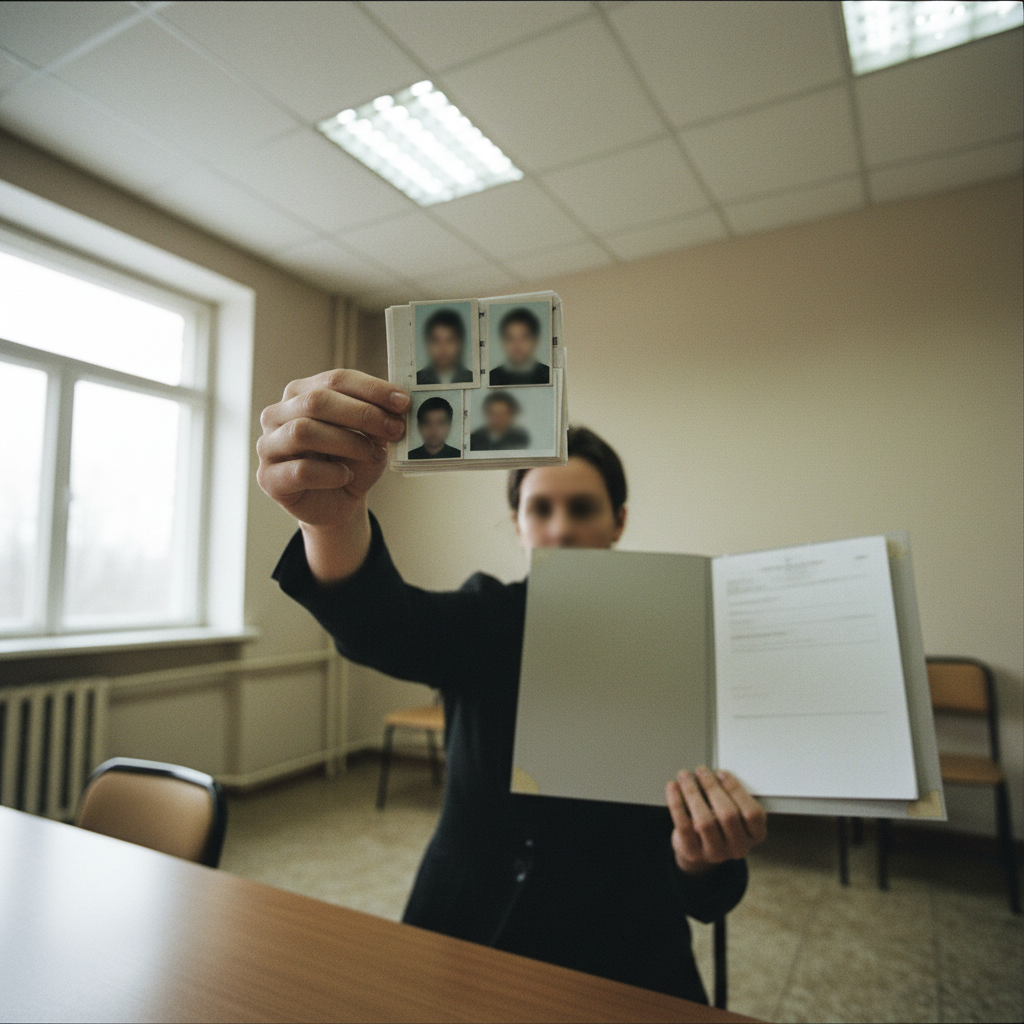
Photos for Local Documents (INE, DNI)
Introduction
This guide explains photo requirements, validation, preparation, and compliance for Spain residence cards (DNI/TIE/NIE). Use it to understand what makes a compliant photo and how to avoid common mistakes.
What this covers
Focus is strictly on photo rules: biometric checks, technical quality, framing, appearance rules, verification, and printing options. All points below are drawn from Spain residence card (DNI/TIE/NIE) specifications.
Official standards and validation
Photos should meet Spain residence card (DNI/TIE/NIE) standards and are validated using Spain residence card (DNI/TIE/NIE) official requirements. The system is ICAO compliant and aligned with current 2025 regulations.
Biometric compliance (what the system checks)
Biometric compliance includes face detection, eye visibility, and pose alignment. Ensure your face is clearly detectable and eyes are visible and correctly aligned in the frame.
Technical quality (what the system checks)
Technical quality checks include resolution, lighting, focus, and contrast. A technically adequate photo has good sharpness, even lighting, and sufficient contrast to distinguish facial features.
Positioning and framing
One explicit specification: the head should cover 70% of the photo. Position and crop your photo so the head occupies about 70% of the frame to meet the stated requirement.
Background
The specification notes: Background Color — Not Permitted. Follow that instruction exactly when preparing your photo.
Appearance and accessories
Avoid hats and caps (except for religious reasons), sunglasses, and heavy makeup. These items can interfere with biometric detection and are flagged in the guidance.
Real-time verification options
You can instantly verify whether your photo meets requirements using a photo-check tool that provides real-time analysis. The tool checks biometric and technical criteria so you can get it right the first time.
At-home photo capture
You can take a compliant photo at home. The guidance states you can achieve professional results with no technical skills needed, using any smartphone, and be ready in under 5 minutes.
Practical step-by-step (actionable)
1) Use a smartphone and a plain setting that complies with the background instruction.
2) Position the camera so your head fills approximately 70% of the frame.
3) Make sure your face is straight, eyes visible, and pose aligned.
4) Check lighting, focus, resolution, and contrast before saving.
5) Run the photo through a real-time verification tool validated against official DNI/TIE/NIE requirements.
Printing the photo
If you need physical prints, same-day photo printing options are available at Walgreens and CVS. The guidance notes prints can be produced for under $1 for 4 photos and be print-ready in about 1 hour — no appointment needed.
Common mistakes to avoid
- Head too small or too large relative to the 70% guideline.
- Eyes obscured or pose misaligned.
- Poor resolution, blur, or uneven lighting.
- Wearing hats, sunglasses, or heavy makeup that alter appearance.
- Using a background color when the specifications state it is not permitted.
Quick checklist before submission
- Head covers ~70% of the photo.
- Face detected, eyes visible, pose aligned.
- Good resolution, lighting, focus, and contrast.
- No hats/caps (except religious), sunglasses, or heavy makeup.
- Background color rule respected.
- Photo verified with a real-time tool validated to official standards.
Final notes on compliance
Use a validated verification tool to confirm compliance with Spain residence card (DNI/TIE/NIE) official requirements and ICAO-aligned 2025 regulations. Following the steps above and avoiding the listed mistakes will maximize your chance of acceptance.
Need-to-know summary
Instant verification, simple at-home capture with any smartphone, and affordable same-day printing options make it straightforward to prepare a compliant DNI/TIE/NIE photo. Focus on biometric detection, technical quality, correct head positioning (70%), and the stated appearance/background rules to avoid delays.